
Expert Tips for Post-Hair Transplant Care and Maintenance
Undergoing a hair transplant is a significant step towards regaining confidence and enhancing your appearance. However, the journey doesn't end with the procedure. Proper post-transplant care is crucial for ensuring optimal results and maintaining the health of your newly transplanted hair.
Immediate Post-Transplant Care
In the first few days following your hair transplant, it's essential to handle your scalp with care. Avoid touching or scratching the transplanted area to prevent dislodging the grafts. Your surgeon may provide a saline spray to keep the area moist, which can help minimize scabbing and promote healing.
Additionally, it's important to sleep with your head elevated for the first few nights. This position helps reduce swelling and ensures that the grafts remain undisturbed. Use a soft, clean pillowcase to avoid irritation.
Washing Your Hair
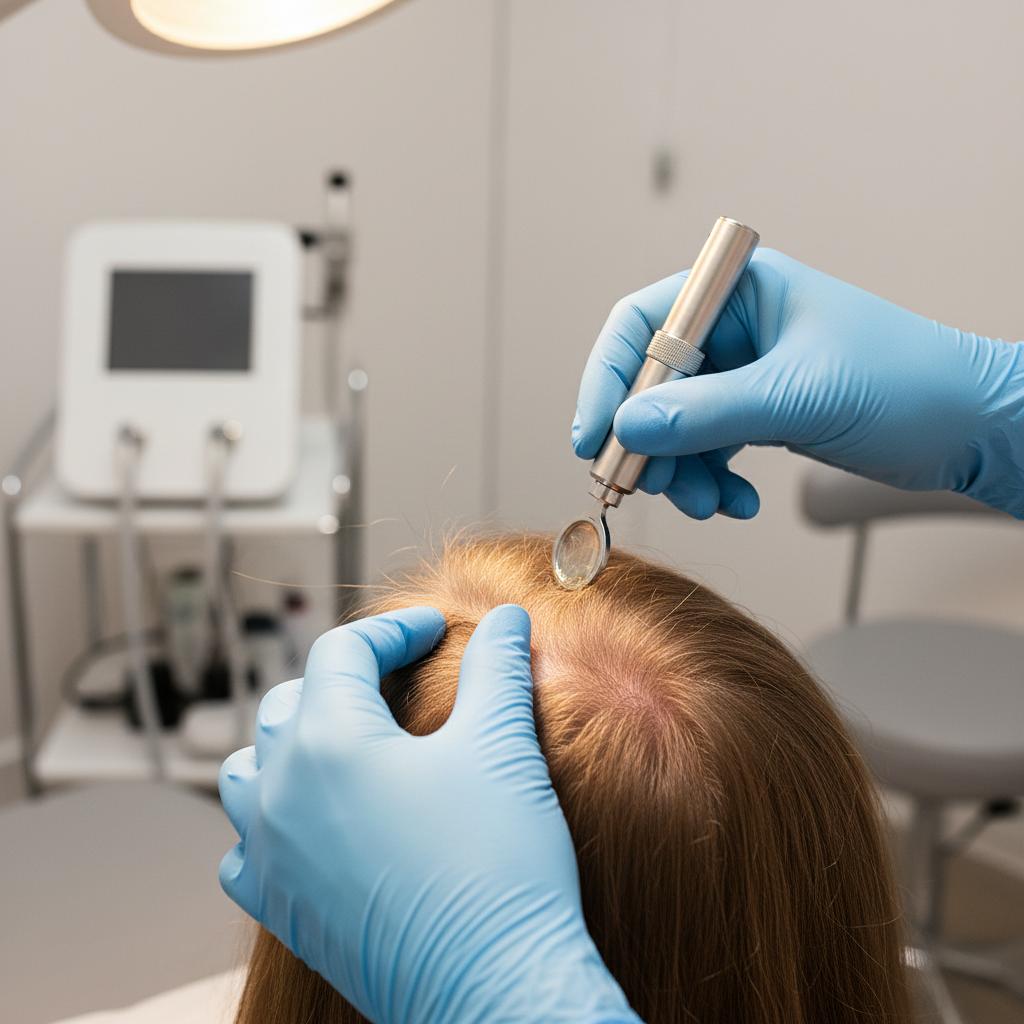
Washing your hair after a transplant requires gentle techniques. Typically, you'll be advised to wait a few days before your first wash. Your surgeon will provide specific instructions, but generally, you should use a mild, sulfate-free shampoo and gently pat your scalp instead of rubbing.
Make sure to rinse with lukewarm water and avoid using a high-pressure showerhead directly on the transplanted area. This can prevent unnecessary stress on the grafts during the healing process.
Managing Discomfort and Swelling
Some discomfort and swelling are normal after a hair transplant. To manage these symptoms, over-the-counter pain relievers like acetaminophen may be recommended. However, it's crucial to follow your surgeon's advice regarding medication and dosage.
Applying a cold compress to your forehead or the back of your head (avoiding the transplanted area) can also help reduce swelling. Ensure not to apply ice directly to the scalp.
Long-Term Maintenance
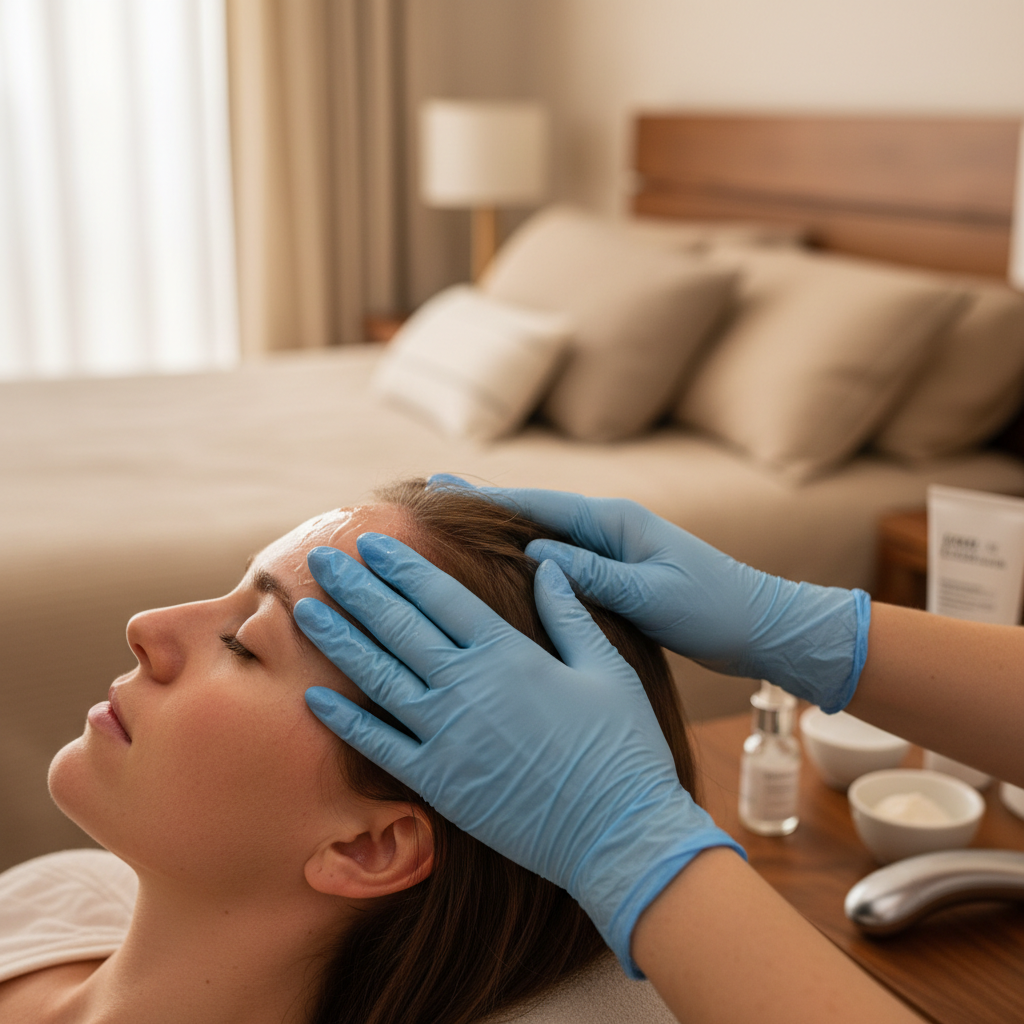
Maintaining the health of your transplanted hair is vital for long-term success. Incorporate a balanced diet rich in vitamins and nutrients to support hair growth. Foods high in protein, iron, and omega-3 fatty acids can be particularly beneficial.
Additionally, consider using hair care products that are free from harsh chemicals. This includes avoiding excessive heat styling and opting for gentle, nourishing treatments.
Regular Follow-Up Appointments
Regular follow-ups with your hair transplant surgeon are essential for monitoring progress and addressing any concerns. These appointments provide an opportunity to discuss ongoing care and make any necessary adjustments to your hair care routine.
Conclusion
Caring for your hair post-transplant is as crucial as the procedure itself. By following these expert tips and maintaining a diligent care routine, you can enhance the longevity and appearance of your new hair. Remember, patience and consistency are key to achieving the best results.