
How Hair Transplants Work: A Step-by-Step Tutorial
Understanding Hair Transplants
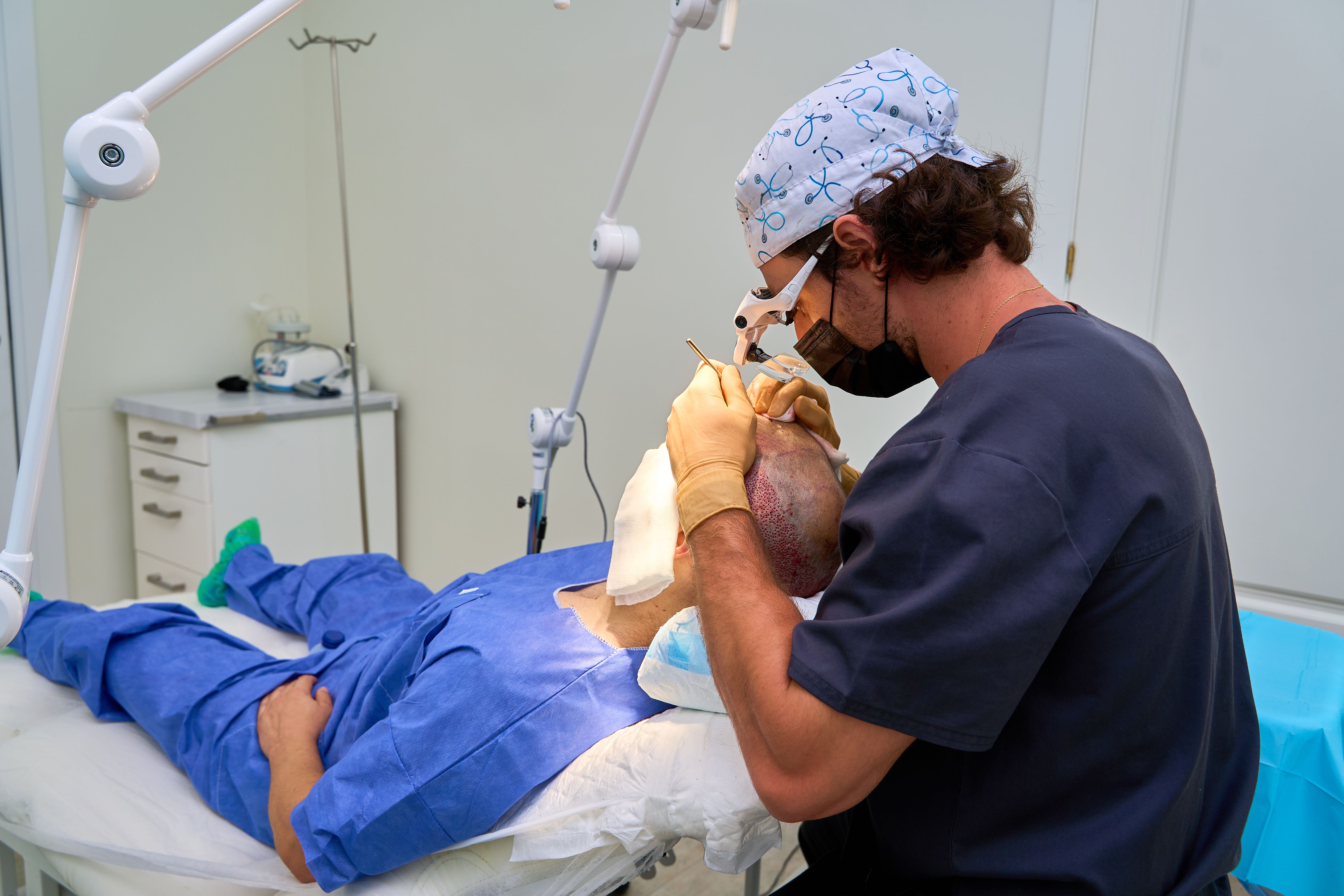
Hair transplants have become a popular solution for those experiencing hair loss. This procedure involves moving hair follicles from one part of the body, usually the back or sides of the head, to the thinning or balding areas. It’s a meticulous process that requires skill and precision.
Preparing for the Procedure
Before the surgery, a thorough consultation with a specialist is essential. During this meeting, the doctor will assess your hair loss pattern, discuss expectations, and determine the best approach for your specific needs. The two main methods are Follicular Unit Transplantation (FUT) and Follicular Unit Extraction (FUE).
Once the method is chosen, the patient is guided through pre-surgery instructions, which might include avoiding certain medications and alcohol.
The Transplant Process
The procedure typically starts with cleaning and numbing the scalp. For FUT, a strip of scalp is removed, and individual follicular units are dissected and transplanted. FUE, on the other hand, involves extracting individual follicles directly from the scalp and implanting them into the balding areas.
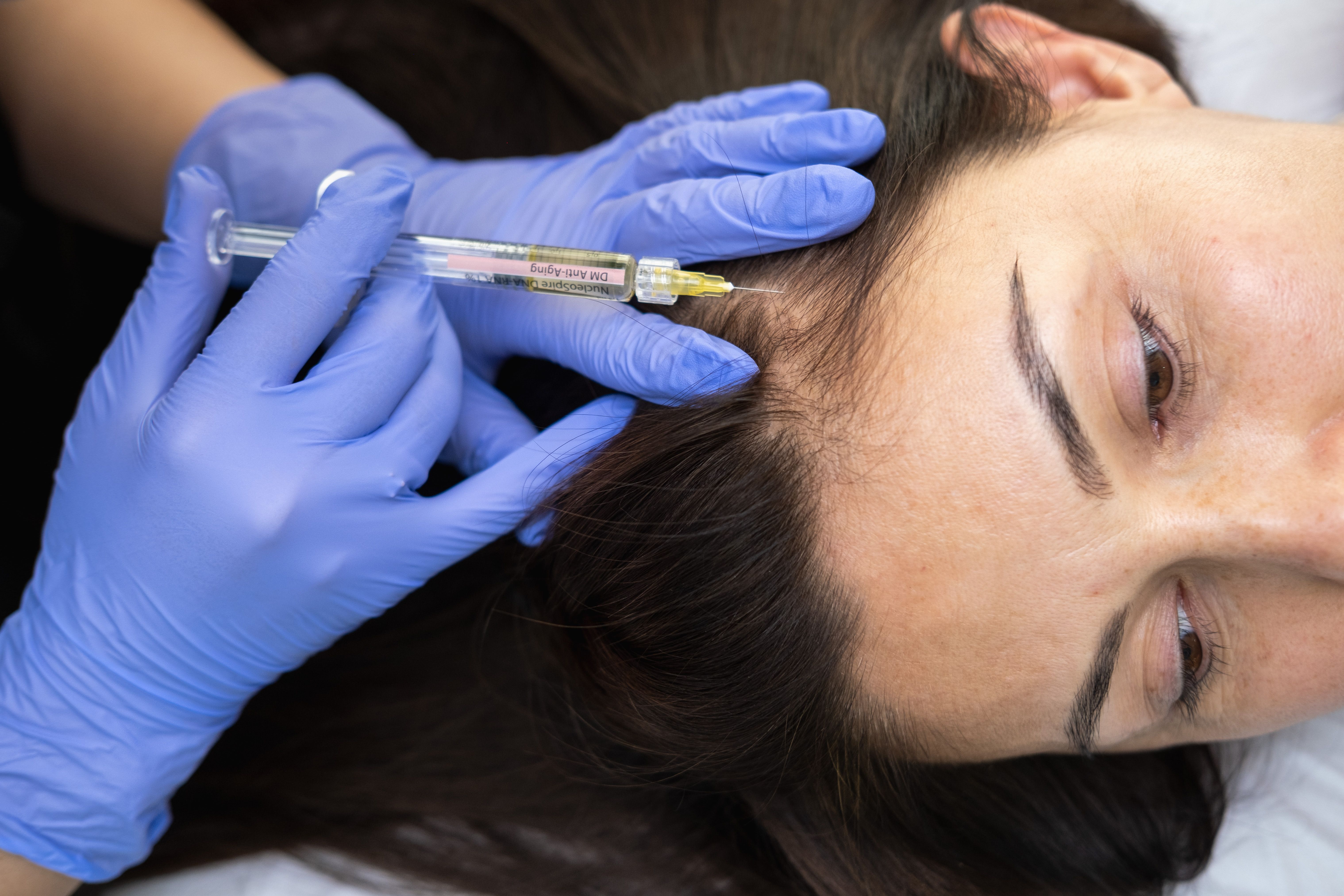
Each follicle is carefully placed at the correct angle to ensure a natural-looking appearance. The process can take several hours, depending on the extent of the transplant.
Post-Procedure Care
After the surgery, patients might experience some tenderness and are often prescribed pain medications and antibiotics to prevent infections. It’s crucial to follow the doctor’s instructions for washing and caring for the scalp.
Most patients can return to work within a few days, but strenuous activities should be avoided for at least a week. Swelling and minor discomfort are common but usually subside quickly.

Results and Expectations
Hair growth from the transplanted follicles begins a few months post-surgery. Initially, the hair might fall out, a normal part of the process known as “shock loss.” New growth typically starts within three to four months, with noticeable changes by six months.
- Natural Appearance: As the hair grows, it will blend seamlessly with existing hair.
- Long-Term Solution: Transplanted hair is generally permanent and requires no special maintenance.
Patience is key, as full results can take up to a year to manifest. By understanding and following each step, patients can achieve satisfying outcomes and regain their confidence.