
Innovations in Hair Transplant Techniques: The Future of FUE
Hair transplant techniques have evolved significantly over the past few decades, and Follicular Unit Extraction (FUE) stands out as one of the most popular methods. As technology advances, so does the precision and efficacy of FUE, offering patients more natural-looking results and faster recovery times. Let's delve into the recent innovations that are shaping the future of FUE.
Robotic Assistance in FUE
One of the most groundbreaking innovations in FUE is the integration of robotics. Robotic systems enhance the precision of follicle extraction and placement, minimizing human error. These systems can identify and select the healthiest follicles, ensuring optimal growth and density post-transplant. By automating the most intricate parts of the procedure, robotics allow for more accurate and efficient surgeries.

Advantages of Robotic Systems
Robotic systems in hair transplants offer several benefits:
- Consistency: Robots can perform repetitive tasks with precision, reducing variability in results.
- Speed: Procedures can be completed faster, reducing time under anesthesia.
- Accuracy: Improved precision in follicle extraction and placement leads to more natural outcomes.
Advanced Imaging Techniques
Another significant advancement in FUE is the use of advanced imaging techniques. High-resolution imaging allows surgeons to better plan and execute transplants. By visualizing the scalp in greater detail, surgeons can map out the most effective transplant strategy, ensuring that each follicle is placed in the optimal position for natural hair growth and appearance.
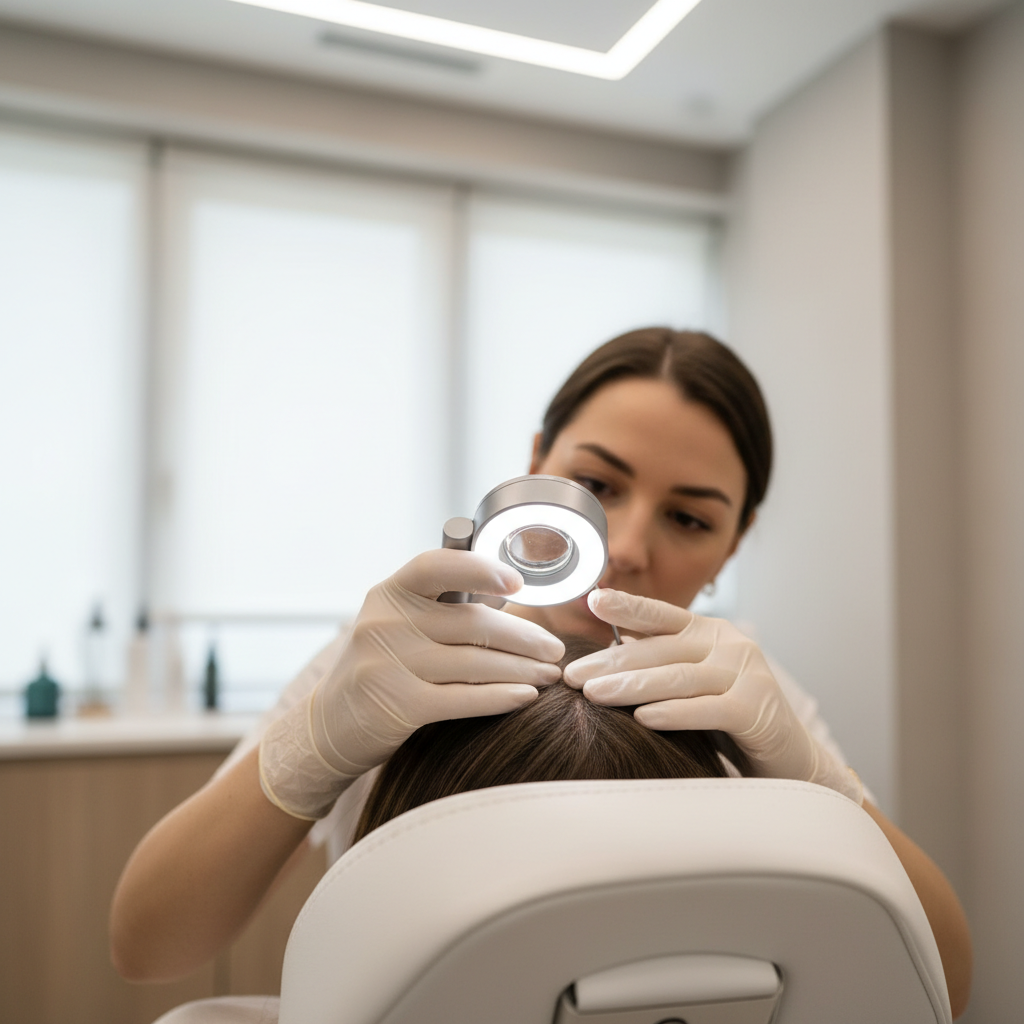
Benefits of High-Resolution Imaging
These imaging advancements provide:
- Detailed Planning: Better visualization aids in precise planning, enhancing the final result.
- Custom Solutions: Each procedure can be tailored to the patient's specific needs, improving satisfaction.
- Reduced Trauma: With accurate mapping, unnecessary damage to the scalp is minimized.
Minimally Invasive Techniques
FUE continues to evolve towards minimally invasive techniques. New tools and methods reduce the invasiveness of the procedure, leading to quicker recovery and less scarring. Patients can return to their daily routines faster, with minimal discomfort and visible signs of the procedure.

Patient-Centric Innovations
Recent innovations prioritize patient comfort and satisfaction:
- Shorter Downtime: Less invasive procedures mean patients can recover more quickly.
- Enhanced Comfort: Advanced tools reduce pain and expedite healing.
- Improved Outcomes: Natural-looking results lead to higher patient satisfaction.
The Future of FUE
The future of FUE looks promising with ongoing research and technological advancements. As techniques become more refined, patients can expect even better results with shorter recovery times. The integration of AI, further robotics, and personalized treatment plans are on the horizon, promising an exciting future for hair restoration.
Overall, innovations in FUE techniques are transforming the landscape of hair transplantation. With continuous advancements, patients have more options than ever to achieve natural, lasting results, making hair restoration an increasingly attractive option for those experiencing hair loss.