Top Myths About Hair Transplantation Debunked
Understanding Hair Transplantation
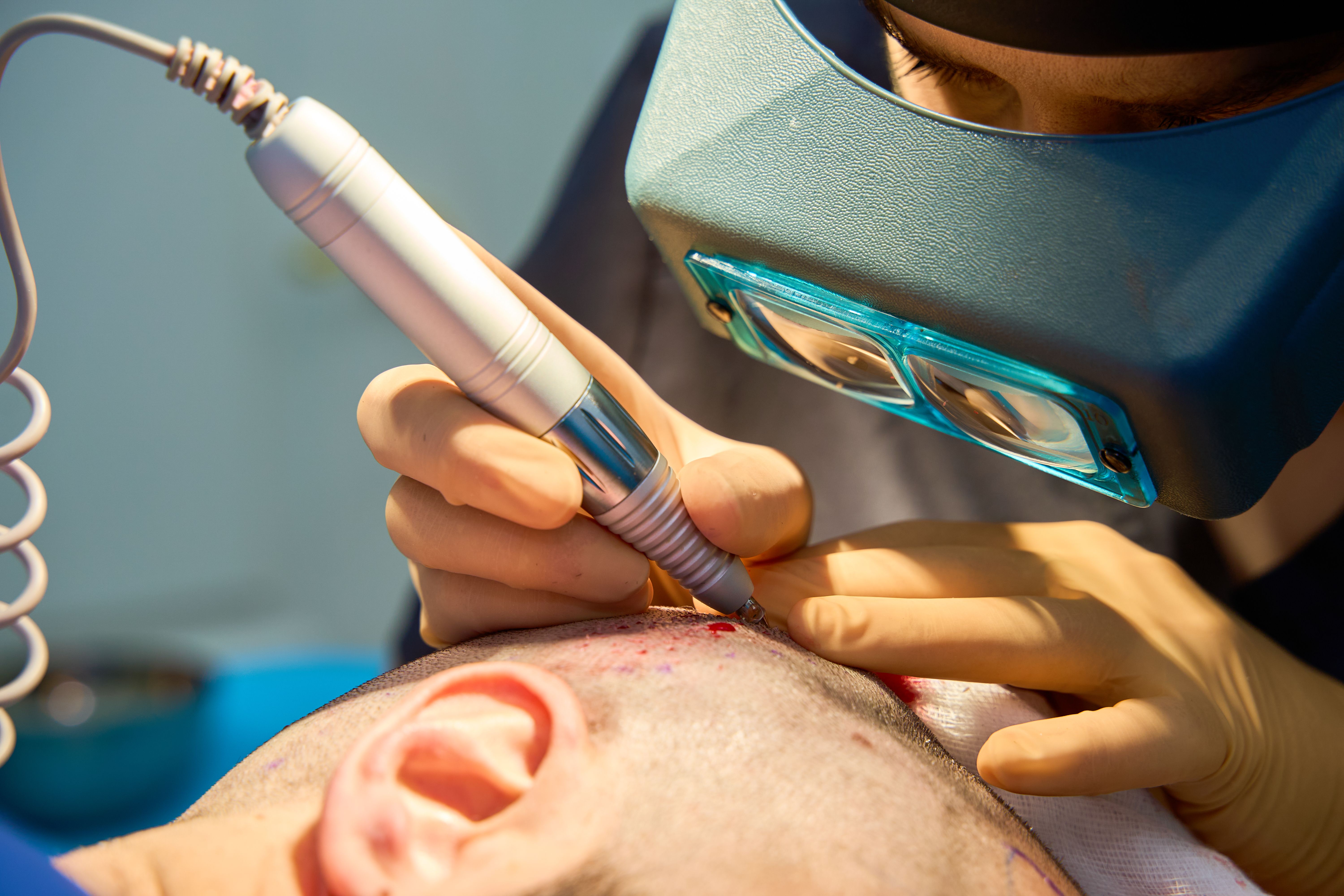
Hair transplantation has grown in popularity as a solution for hair loss, but there are numerous myths surrounding the procedure. These misconceptions can lead to confusion and hesitation for those considering this option. This post aims to debunk some of the most common myths about hair transplantation.
Myth 1: Hair Transplants Are Only for Men
While it's true that a significant number of hair transplant patients are men, women also suffer from hair thinning and loss. Hair transplantation can be an effective solution for both genders. Women experiencing hair loss due to various reasons, such as hormonal changes or genetics, can benefit from this procedure.
It's important to consult with a specialist to determine the best approach, as female hair loss patterns can differ from those of males.
Myth 2: The Results Look Unnatural
Many fear that hair transplants will result in an unnatural appearance. However, modern techniques have advanced significantly, allowing for natural-looking results. Surgeons now use methods that mimic the natural hair growth pattern, ensuring a seamless blend with existing hair.

The key to achieving a natural look lies in the skill and experience of the surgeon, so choosing a reputable clinic is essential.
Myth 3: Hair Transplants Are Painful
Another common myth is that hair transplantation is a painful procedure. In reality, the process involves local anesthesia, making it relatively painless. Most patients report minimal discomfort during and after the procedure.
Post-surgery, some may experience mild soreness, but it is typically manageable with over-the-counter pain medications.

Myth 4: Hair Transplantation Provides Instant Results
Hair transplantation is not an instant fix. It requires patience, as the transplanted hair will initially shed before new growth begins. This is a normal part of the process known as "shock loss."
Visible results typically start to appear several months post-surgery, with full results evident around a year later. Understanding this timeline helps set realistic expectations.
Myth 5: Anyone Can Get a Hair Transplant
Not everyone is a suitable candidate for hair transplantation. Factors such as the cause of hair loss, hair type, and overall health play a crucial role in determining eligibility. A thorough consultation with a hair restoration specialist is necessary to assess candidacy.
Potential patients should ensure they have a sufficient donor hair supply and that their hair loss has stabilized.
Conclusion
Hair transplantation is a viable and effective solution for those experiencing hair loss, but it is essential to approach the procedure with accurate information. By debunking these common myths, we hope to provide a clearer understanding and help individuals make informed decisions about their hair restoration journey.