
Understanding DHI Hair Transplant: What Makes It Unique?
Introduction to DHI Hair Transplant
Direct Hair Implantation (DHI) is a revolutionary technique in the field of hair restoration. Unlike traditional methods, DHI offers a more precise and minimally invasive approach, making it a popular choice for those seeking effective hair transplant solutions. This method focuses on both the extraction and implantation of hair follicles, ensuring a natural and seamless look.
Understanding the unique aspects of DHI can help potential patients make informed decisions about their hair restoration journey. In this blog post, we will explore what sets DHI apart from other hair transplant techniques.
The DHI Technique
How DHI Works
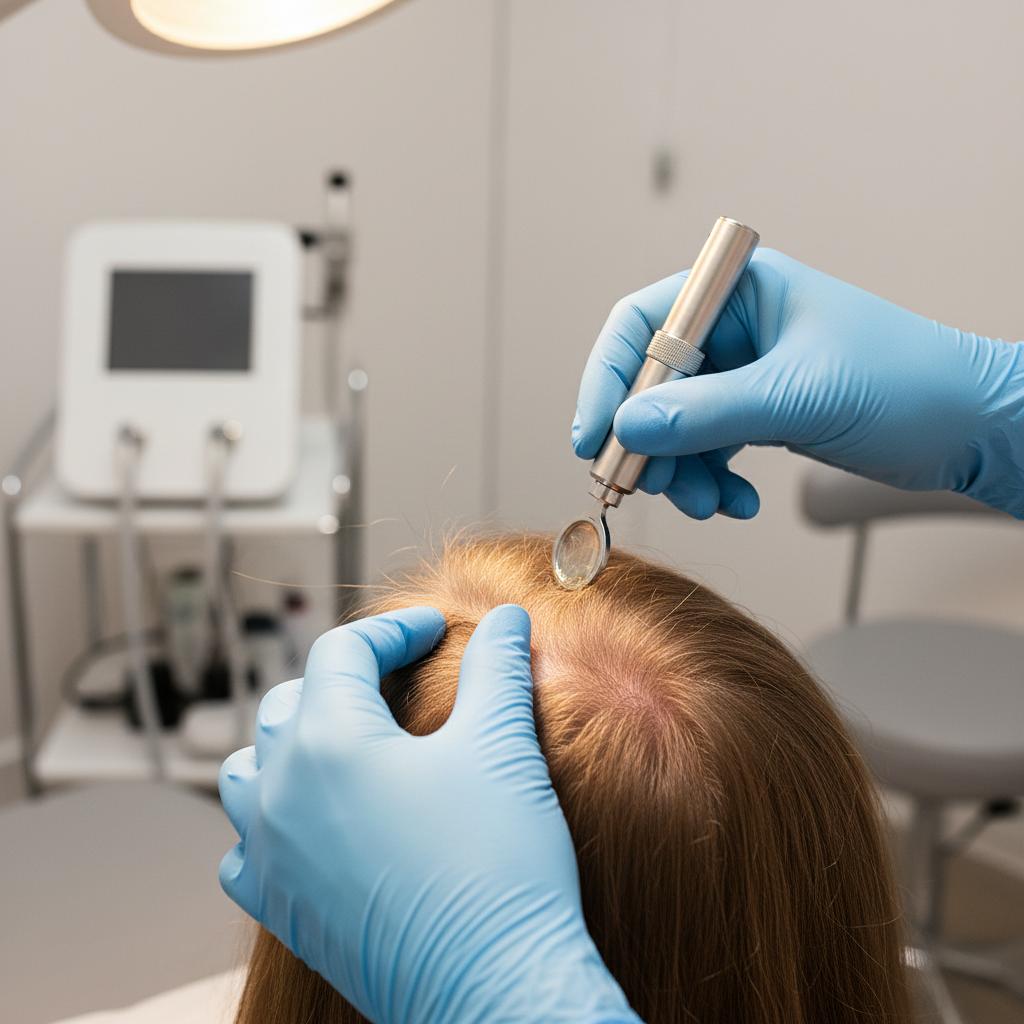
The DHI technique involves the use of a specialized tool known as the Choi Implanter Pen. This tool allows for the direct implantation of hair follicles into the scalp without the need for creating incisions or holes beforehand. The procedure is performed in two main steps:
- Extraction: Hair follicles are carefully extracted from the donor area, usually at the back of the head.
- Implantation: Using the Choi Implanter Pen, the extracted follicles are implanted directly into the recipient area.
Benefits of Using the Choi Implanter Pen
The use of the Choi Implanter Pen in DHI offers several advantages:
- Precision: The tool allows for precise control over the depth, direction, and angle of each hair follicle, ensuring a natural look.
- Minimized Trauma: Since there are no incisions, the procedure is less invasive, leading to quicker recovery times.
- High Survival Rate: The direct implantation process increases the survival rate of transplanted hair follicles.

Comparing DHI with Other Techniques
DHI vs. FUE
Follicular Unit Extraction (FUE) is another popular hair transplant method. While both DHI and FUE involve the extraction of individual hair follicles, their implantation processes differ significantly. FUE requires the creation of recipient sites before implantation, whereas DHI uses the Choi Implanter Pen for direct implantation, which can result in a more natural appearance.
DHI vs. FUT
Follicular Unit Transplantation (FUT) is a more traditional method that involves removing a strip of scalp from the donor area. This technique can leave a noticeable scar and requires a longer recovery period. In contrast, DHI is a less invasive procedure with no visible scarring, making it a preferable option for many patients.
Who Can Benefit from DHI?
DHI is suitable for a wide range of patients experiencing hair loss. It is particularly beneficial for those who are looking for a minimally invasive option with minimal downtime. Candidates for DHI include:
- Individuals with androgenetic alopecia (male or female pattern baldness)
- Those looking to restore hair in specific areas, such as the hairline or crown
- Patients seeking a natural and dense hair appearance
Conclusion
DHI hair transplant offers a unique and effective solution for hair restoration. Its precision, minimally invasive nature, and natural-looking results make it a standout choice among hair transplant techniques. By understanding the benefits and differences of DHI, individuals can make informed decisions on their path to regaining confidence and achieving their desired hair appearance.